

Back of Knee Pain
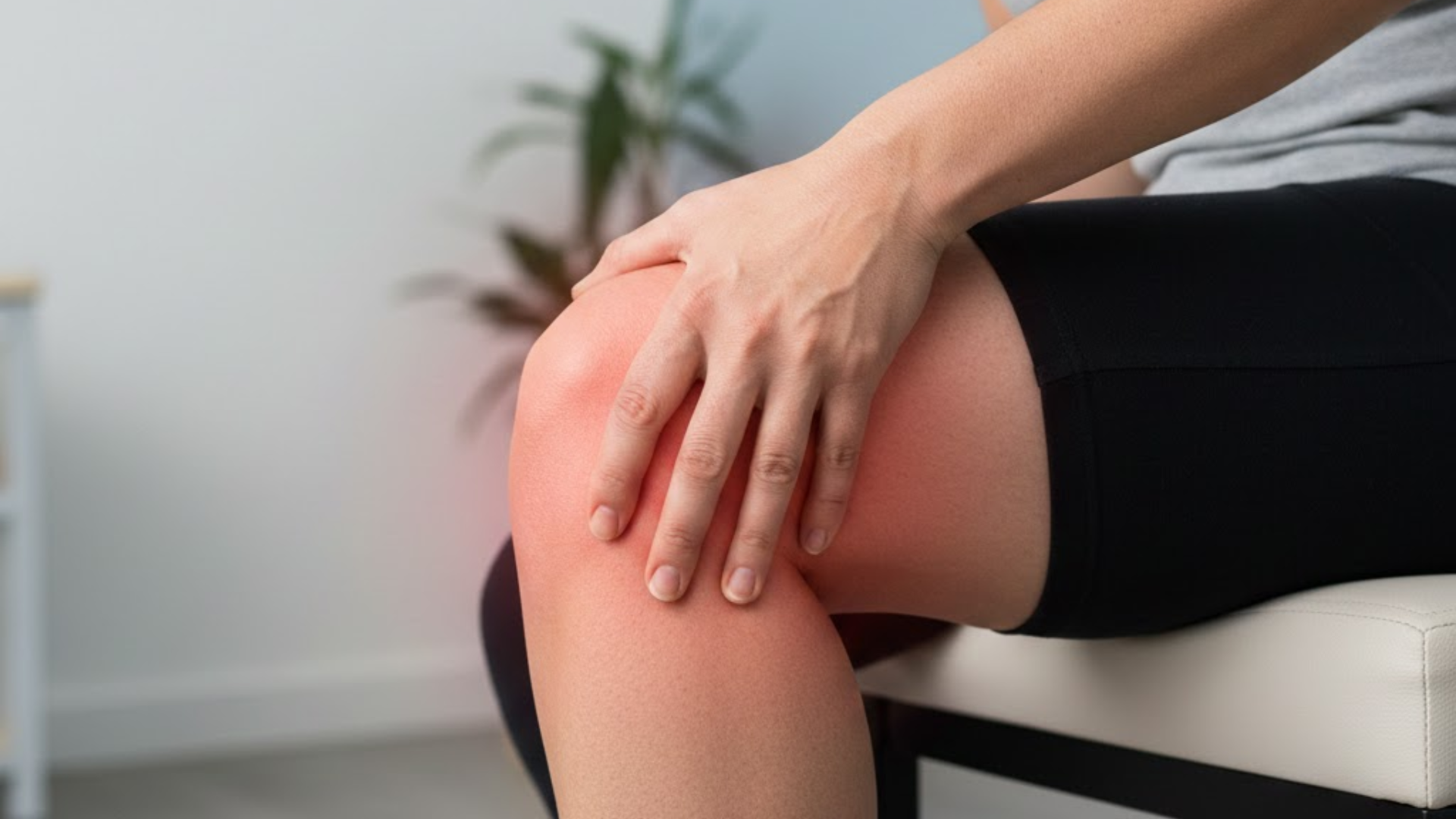
Pain at the back of the knee, also called posterior knee pain, is a common condition that can result from a variety of causes, including muscle, tendon, ligament, or joint issues. It can affect mobility, walking, sports performance, and daily activities. Early diagnosis is important to prevent worsening or chronic pain.
Common Conditions We Treat
Hamstring Tendonitis / Strain
Overuse or sudden stretching of the hamstring tendons near the knee can cause pain at the back of the knee, swelling, and difficulty bending the knee.
Baker’s Cyst (Popliteal Cyst)
A fluid-filled swelling behind the knee, often caused by underlying arthritis or meniscus injury. It can cause tightness, swelling, and sometimes limited knee movement.
Popliteal Muscle or Ligament Strain
The small muscles and ligaments at the back of the knee may be strained from overuse, twisting movements, or sudden impacts.
Meniscus Injury
A tear in the posterior part of the knee meniscus can sometimes present as pain behind the knee, especially when bending or twisting the joint.
Deep Vein Thrombosis (DVT)
Although less common, severe swelling, warmth, and tenderness at the back of the knee could indicate a blood clot. This is a medical emergency and requires urgent attention.
Symptoms of Posterior Knee Pain
Pain or tenderness at the back of the knee
Swelling or a noticeable lump (in cases like Baker’s cyst)
Stiffness, particularly when bending or straightening the knee
Pain during walking, running, or climbing stairs
Occasional popping or locking sensations
Diagnostic Assessment
Clinical examination to assess swelling, tenderness, and knee stability
Diagnostic ultrasound scan to identify cysts, tendon injury, or inflammation
MRI in selected cases for detailed assessment of ligaments, meniscus, or soft tissue
Accurate diagnosis is key to selecting the most effective treatment approach.
Treatment Options for Back of Knee Pain
Conservative Management
Rest and activity modification
Ice or heat therapy (under clinician guidance)
Anti-inflammatory medications (if appropriate)
Physiotherapy & Rehabilitation
Stretching and strengthening of hamstring, calf, and surrounding muscles
Joint mobilization and soft tissue therapy
Postural and gait correction
Guided home exercise programs
Injection Therapy
Ultrasound-guided corticosteroid injection for inflamed tendons or bursae
Aspiration or injection for Baker’s cyst in selected cases
Advanced Treatment
Surgery in severe cases (e.g., persistent cysts, tendon tears, or meniscus injuries)
Shockwave therapy for chronic tendon issues
Why Early Treatment Matters
Posterior knee pain can limit mobility, reduce activity levels, and affect daily life. Early intervention helps relieve pain, restore knee function, and prevent chronic problems or recurrent injuries.
Persistent pain at the back of the knee should be assessed by a qualified healthcare professional to create a personalised treatment plan.