

Greater Trochanteric Pain Syndrome (GTPS)
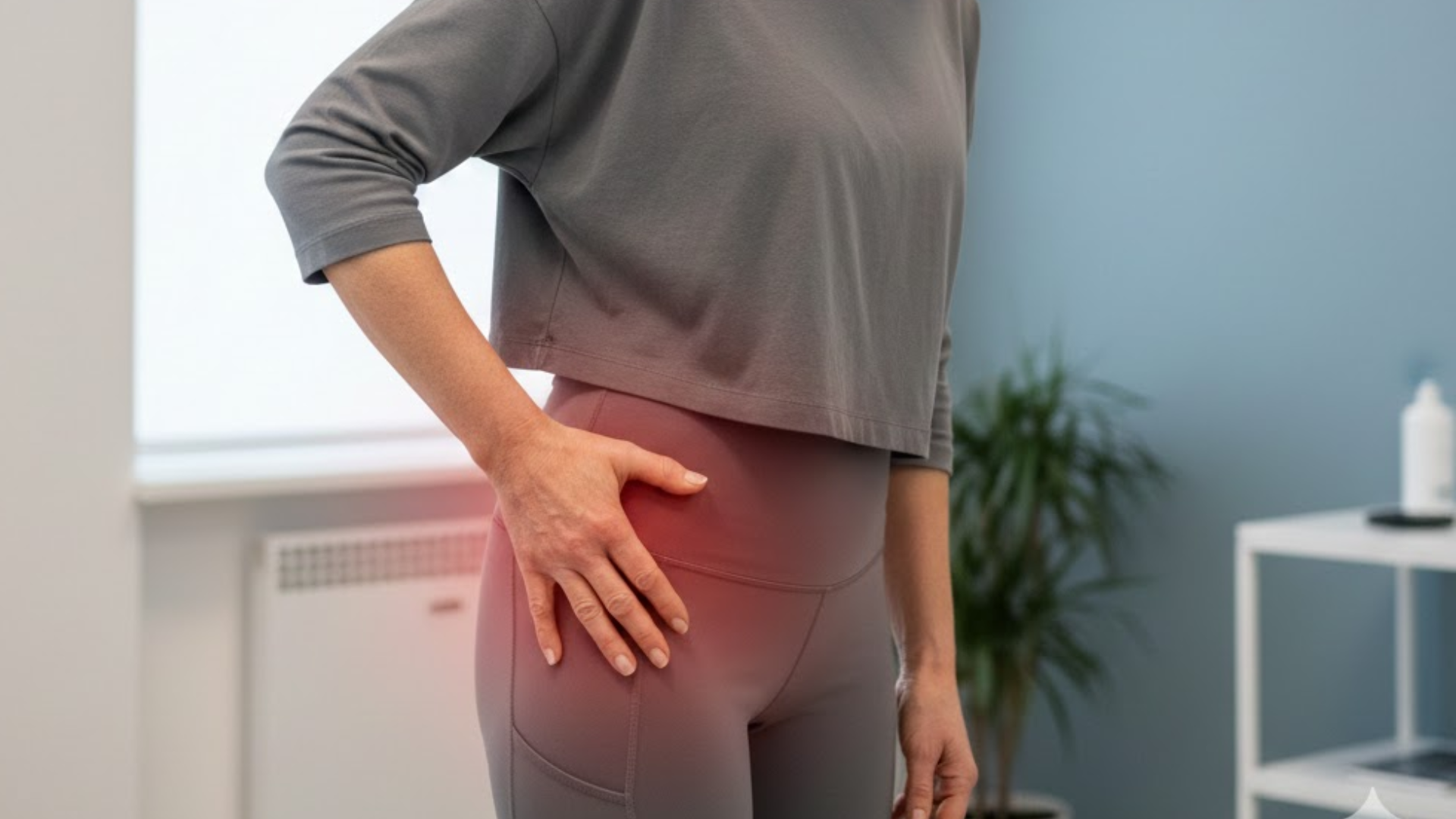
Greater Trochanteric Pain Syndrome (GTPS) is a common cause of persistent pain on the outer side of the hip. It affects the tendons and bursa around the greater trochanter — the bony prominence on the side of the hip. GTPS can significantly impact walking, sleeping, climbing stairs, and lying on the affected side.
It is more common in women aged 40–60 and in individuals with lower back pain, hip weakness, or altered walking patterns.
What Causes GTPS?
GTPS typically develops due to irritation or overload of the gluteal tendons and surrounding bursa. Contributing factors include:
Repetitive walking or running
Prolonged standing
Sudden increase in physical activity
Hip muscle weakness
Poor biomechanics
Coexisting lower back pain
Common Conditions Under GTPS
Gluteal Tendinopathy
Degeneration or inflammation of the gluteus medius and minimus tendons, causing lateral hip pain.
Trochanteric Bursitis
Inflammation of the fluid-filled bursa over the greater trochanter, leading to tenderness and pain with movement or pressure.
External Snapping Hip
A snapping sensation on the outside of the hip due to tight soft tissues moving over the bone.
Symptoms of GTPS
Pain on the outer side of the hip
Tenderness when pressing over the hip
Pain when lying on the affected side
Discomfort during walking, climbing stairs, or prolonged standing
Pain radiating down the outer thigh
Diagnostic Assessment
Detailed clinical examination
Diagnostic ultrasound scan to assess gluteal tendons and bursae
MRI in selected cases if deeper pathology is suspected
Accurate diagnosis is essential to differentiate GTPS from hip arthritis or lower back–related pain.
Treatment Options for GTPS
Conservative Management
Activity modification
Anti-inflammatory medications (if appropriate)
Advice on sleeping positions and load management
Physiotherapy & Rehabilitation
Targeted gluteal strengthening exercises
Hip stability training
Stretching of tight structures
Gait and biomechanical correction
Gradual return-to-activity program
Injection Therapy
Ultrasound-guided corticosteroid injection into the trochanteric bursa
Ultrasound-guided injection around the gluteal tendons for tendinopathy
Advanced Treatment
Shockwave therapy (in selected chronic cases)
Surgery (rarely required) if conservative and interventional treatments fail
Why Early Treatment Matters
If left untreated, GTPS can become chronic and significantly affect mobility and quality of life. Early intervention helps reduce inflammation, strengthen the hip muscles, and restore pain-free movement.
If you are experiencing persistent outer hip pain, consult a qualified healthcare professional for an accurate diagnosis and personalised treatment plan.