

Lower Back Pain
Lower back pain is one of the most common musculoskeletal conditions, affecting people of all ages. It can range from mild discomfort to severe, disabling pain that interferes with work, sleep, and daily activities. Early diagnosis and appropriate treatment are essential to prevent long-term complications.
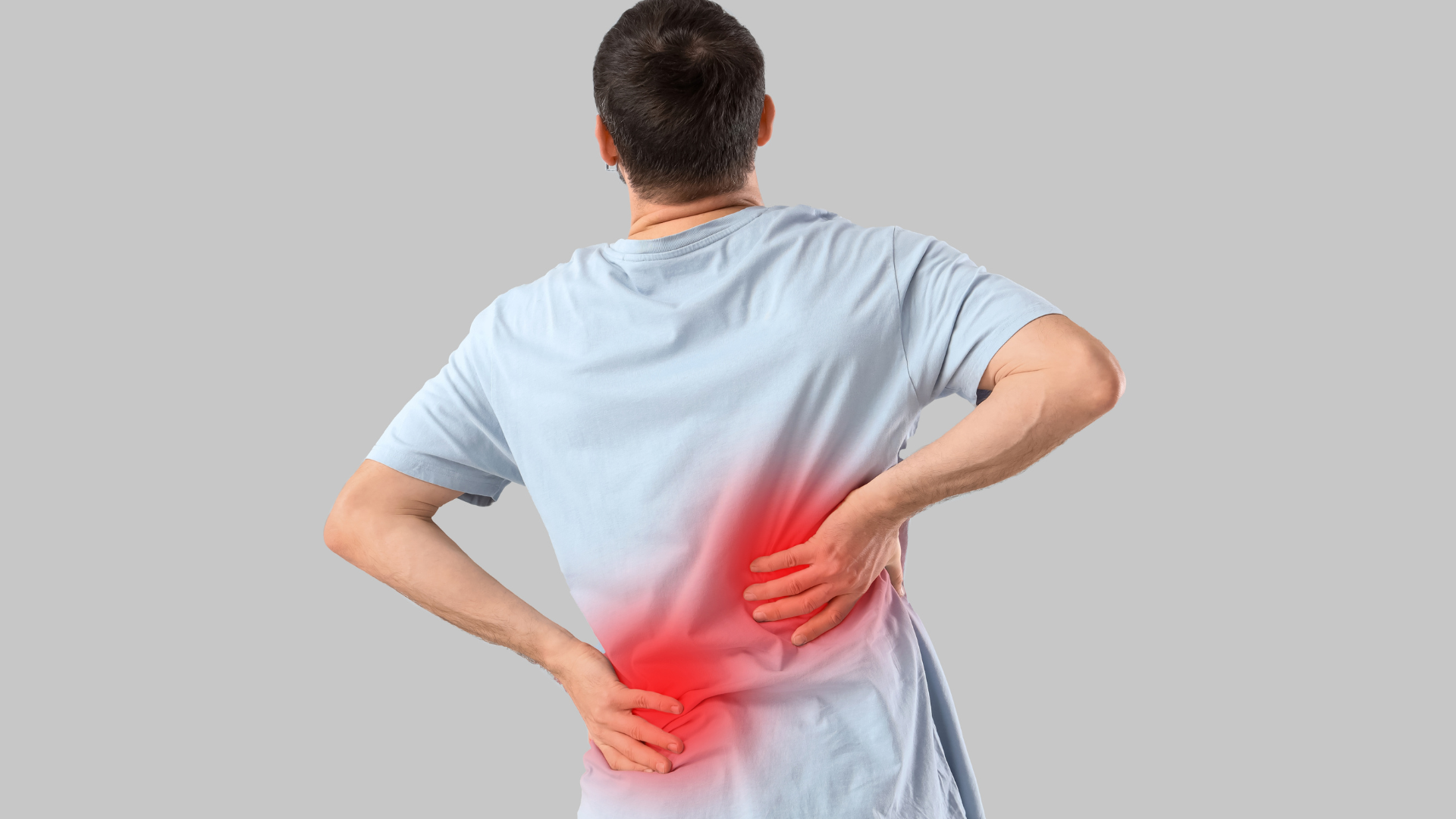
Common Causes of Lower Back Pain
Lumbar Muscle Strain
Often caused by poor posture, heavy lifting, prolonged sitting, or sudden movements. Symptoms include stiffness, aching, and reduced mobility.
Lumbar Disc Herniation
A bulging or ruptured disc in the lower spine that may compress nearby nerves, causing back pain and sometimes pain radiating into the leg (commonly referred to as sciatica).
Sciatica
Irritation or compression of the sciatic nerve, leading to pain radiating from the lower back into the buttock and leg, sometimes accompanied by numbness or tingling.
Facet Joint Pain
Inflammation or degeneration of the small joints in the spine, often causing localized lower back pain that worsens with extension or twisting movements.
Degenerative Disc Disease
Age-related wear and tear of the spinal discs, resulting in chronic back stiffness and discomfort.
Sacroiliac (SI) Joint Dysfunction
Pain arising from the joint connecting the spine to the pelvis, often felt on one side of the lower back.
Symptoms of Lower Back Pain
Persistent aching or stiffness in the lower back
Pain radiating to the buttock or leg
Muscle spasms
Difficulty standing upright or bending
Increased pain with prolonged sitting or lifting
Diagnostic Assessment
Detailed clinical examination
Diagnostic ultrasound scan (where appropriate)
Imaging such as MRI in selected cases
Functional assessment to identify contributing factors
Accurate diagnosis is crucial for targeted treatment.
Treatment Options for Lower Back Pain
Conservative Management
Activity modification
Short-term use of anti-inflammatory medications (if appropriate)
Heat or ice therapy (under clinician guidance)
Ergonomic and posture advice
Physiotherapy & Rehabilitation
Core strengthening exercises
Flexibility and mobility training
Manual therapy techniques
Postural correction programs
Guided home exercise plans
Injection Therapy
Ultrasound-guided corticosteroid injections for facet joint pain
Nerve root injections for radicular pain (sciatica)
Trigger point injections for muscle-related pain
Advanced Treatment
Manipulation under anaesthesia in selected chronic cases
Surgery in severe cases where conservative treatments fail
Why Early Treatment Matters
Untreated lower back pain can become chronic and significantly reduce quality of life. Early intervention helps relieve pain, restore function, and prevent recurrence.
If you are experiencing persistent lower back pain, consult a qualified healthcare professional to determine the most appropriate treatment plan for your condition.