‘‘How to Treat Hip Pain Caused by Arthritis’’
Hip arthritis is a common cause of joint pain that can interfere with walking, standing, and even sleeping. Whether you're in the early stages of discomfort or dealing with chronic joint pain, understanding how to manage hip arthritis is essential.
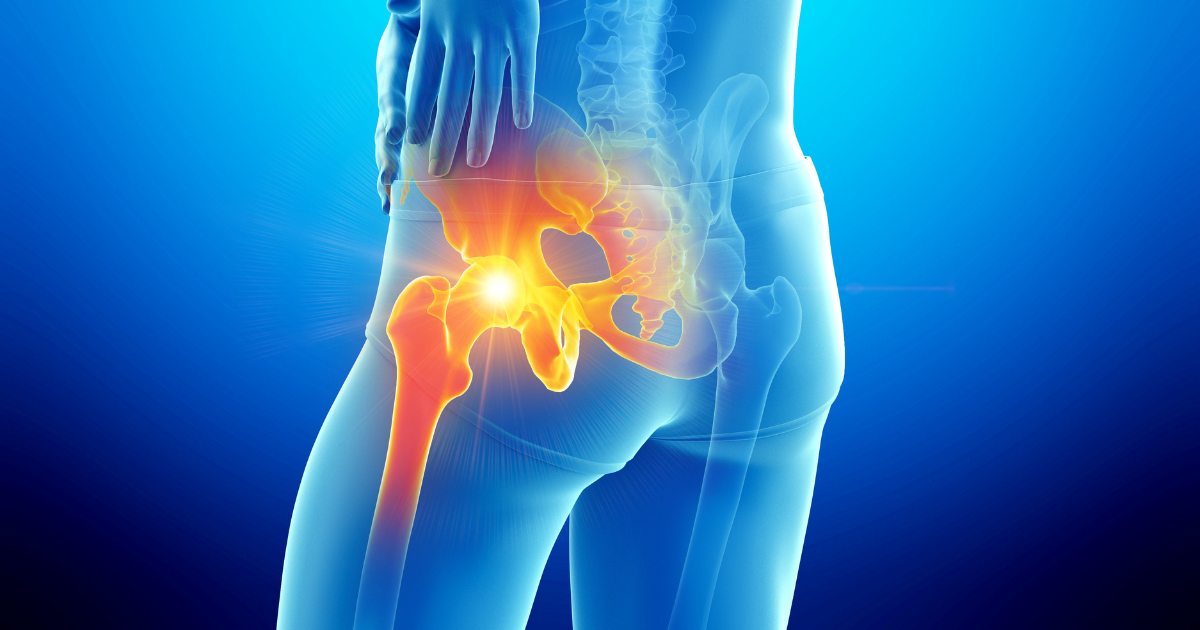
Understanding Hip Pain from Arthritis
Hip pain caused by arthritis is one of the most common joint problems affecting millions worldwide, especially older adults. Whether it’s osteoarthritis (due to wear and tear) or rheumatoid arthritis (an autoimmune condition), arthritis in the hip can make walking, sleeping, and even sitting difficult.
The good news? There are effective, evidence-based ways to treat hip arthritis pain, improve your joint function, and live more comfortably — without necessarily going for surgery.
Types of Hip Arthritis
Keywords: types of hip arthritis, osteoarthritis, rheumatoid arthritis in hip
There are several forms of arthritis that can affect the hip joint, each with unique causes and treatment needs:
Osteoarthritis (OA):
The most common type, caused by age-related wear and tear of joint cartilage. Often affects one hip more than the other.Rheumatoid Arthritis (RA):
An autoimmune condition where the body attacks its own joints, usually affecting both hips symmetrically.Psoriatic Arthritis:
Linked to psoriasis, this type causes joint pain and stiffness along with skin symptoms.Post-Traumatic Arthritis:
Develops after a hip injury or fracture and mimics osteoarthritis symptoms.
Symptoms of Hip Arthritis
Keywords: hip arthritis symptoms, hip pain signs, arthritis hip stiffness
Hip arthritis often develops gradually and may worsen over time. Common signs include:
Persistent pain in the groin, outer thigh, or buttocks
Stiffness, especially after sleeping or sitting for long periods
Pain that worsens with activity like walking or climbing stairs
Clicking or grinding sound during movement
Reduced range of motion and difficulty bending or rotating the hip
Swelling or tenderness around the joint
If these symptoms persist for more than a few weeks, it's time to seek medical advice.
Diagnosis of Hip Arthritis
Accurate diagnosis is the foundation of effective treatment for hip arthritis. Because symptoms can overlap with other hip conditions (like bursitis or tendinopathy), a thorough clinical and imaging evaluation is key to identifying the type and severity of arthritis. Your healthcare provider may use the following tools:
1. Medical History & Physical Examination
The first step involves discussing your symptoms and functional limitations. Your doctor will ask about:
Pain location (groin, thigh, buttock)
Onset and progression of pain
Morning stiffness or difficulty moving after rest
Impact on walking, sitting, and sleeping
During the physical exam, they will assess:
Range of motion limitations
Joint tenderness or swelling
Gait abnormalities
Leg length discrepancy or hip alignment issues
Muscle weakness, especially in the glutes and abductors
2. X-Rays
X-rays are a standard imaging tool for evaluating hip arthritis. They help identify:
Joint space narrowing (due to cartilage loss)
Osteophytes (bone spurs)
Sclerosis (increased bone density beneath damaged cartilage)
Cysts or deformities in joint surfaces
X-rays are especially useful in diagnosing moderate to advanced osteoarthritis, but may not detect early changes in cartilage or soft tissue.
3. Ultrasound (MSK Sonography)
Ultrasound is increasingly used as a non-invasive, real-time imaging tool to assess soft tissue changes around the hip, particularly in early or unclear cases. It can detect:
Joint effusion (fluid accumulation)
Synovial inflammation
Bursitis (especially trochanteric bursitis)
Tendon pathology (e.g. gluteal tendinopathy)
Guidance for joint injections with corticosteroids or hyaluronic acid
Ultrasound is portable and radiation-free, making it a useful adjunct in the hands of a trained musculoskeletal sonographer.
4. MRI (Magnetic Resonance Imaging)
MRI provides high-resolution images of the hip joint and surrounding structures, especially useful when:
X-rays are normal but symptoms persist
There is a suspicion of labral tears, synovitis, or early cartilage damage
A clearer view of soft tissue structures is needed
MRI is more sensitive than X-ray and ultrasound for detecting early arthritis and associated joint abnormalities.
5. Blood Tests
Blood investigations help distinguish between degenerative and inflammatory arthritis. Common tests include:
Rheumatoid Factor (RF) and Anti-CCP – for rheumatoid arthritis
CRP and ESR – markers of inflammation
Autoimmune profiles to evaluate systemic conditions such as lupus or psoriatic arthritis
6. Joint Aspiration (Arthrocentesis)
Though less common in the hip due to its depth, joint aspiration may be performed to:
Rule out septic arthritis
Identify gout or pseudogout crystals
Analyze joint fluid for inflammation, infection, or immune activity
Often guided by ultrasound to ensure accuracy and safety.

When to See a Doctor or Physiotherapist
If your hip pain lasts more than a few weeks or gets worse despite rest, consult a professional. Early care can prevent long-term joint damage. A physiotherapist can help improve mobility, reduce pain, and guide you with safe exercises. Seek help if pain affects walking, sleep, or daily activities, or if there's swelling or stiffness that doesn’t improve.
Treatment Options for Hip Arthritis
The good news: Hip arthritis can often be managed with conservative care, especially when addressed early. Here’s what works best:
Physiotherapy
Targeted exercises to strengthen muscles, improve mobility, and support the hip joint.
Focus on glutes, hip abductors, and core stability
Stretch tight muscles like the hip flexors and hamstrings
Gait training and balance work to reduce joint strain
Aquatic therapy for low-impact movement
Medications
NSAIDs (like ibuprofen) and topical creams help control pain and inflammation.
Use only as advised by your doctor
Topical gels (e.g. diclofenac) may provide localized relief
Supplements like turmeric or glucosamine may support joint health
Lifestyle Changes
Weight management, joint-friendly movements, and posture correction reduce joint stress.
Maintain a healthy BMI to relieve joint load
Incorporate joint-protective exercises (walking, cycling)
Avoid sitting cross-legged or on low furniture
Practice good posture when sitting and standing
Assistive Devices
Canes, walkers, and orthotics help reduce pressure on the hip during movement.
Use a cane on the opposite side of the painful hip
Choose supportive footwear with cushioned soles
Consider shoe inserts if you have flat feet or leg length differences
Injections
When hip pain from arthritis doesn’t improve with physiotherapy or medications, injection therapy can offer targeted relief:
Corticosteroid Injections (Ultrasound-Guided)
Used to reduce inflammation and pain within the hip joint, especially during painful flare-ups.
Guided by ultrasound to ensure accurate placement into the joint space
Provide temporary relief—typically lasting weeks to a few months
Best for managing moderate to severe inflammation
Limited to 2–3 injections per year due to potential side effects like cartilage thinning or joint infection risk
Gel Injections – Ostenil® / Durolane®
Gel injections restore lubrication in the arthritic joint, helping reduce friction and improve shock absorption.
Ideal for patients with mild to moderate osteoarthritis
Administered under ultrasound guidance for precise joint targeting
Contain hyaluronic acid, a natural substance found in healthy joint fluid
Help improve mobility, reduce stiffness, and delay the need for surgery
Effects typically last 6 months or more, depending on the individual
Injection therapy is often combined with physiotherapy for the best outcomes, especially when aiming to delay surgery and maintain joint function.
Surgery
In advanced cases, total hip replacement may be considered when other treatments fail.
Recommended when daily activities become severely limited
High success rate in reducing pain and restoring function
Post-surgical rehabilitation is essential for long-term outcomes

Conclusion:
Hip arthritis is no longer just a natural part of aging—it’s a major cause of chronic pain and mobility loss when left untreated. Early diagnosis and a tailored treatment plan, especially one that includes physiotherapy, can significantly ease symptoms and protect joint health.
With the right mix of physiotherapy, activity adjustments, lifestyle changes, and medical care, individuals can manage pain, stay mobile, and maintain independence. Taking early action and working with healthcare professionals empowers people with hip arthritis to live more comfortably and actively.
References:
Ayán-Pérez, C., González-Devesa, D., Montero-García, B., & Varela, S. (2025, January 13). Effects of aquatic exercise in older people with osteoarthritis: Systematic review of randomized controlled trials. Geriatrics, 10(1), 12.
Misra, D., & Felson, D. T. (2024, April 1). Evidence‑based review of nonsurgical treatments for knee and hip osteoarthritis. Eur J Rheumatol, 11(Suppl 1), S48–S52.
Fan, Z., Yan, L., Liu, H., et al. (2023, March 29). The prevalence of hip osteoarthritis: A systematic review and meta-analysis. Arthritis Research & Therapy, 25, 51.
Choueiri, M., Chevalier, X., & Eymard, F. (2021). Intraarticular corticosteroids for hip osteoarthritis.
Zhong, H.-M., Zhao, G.-F., Lin, T., et al. (2020, February 24). Intra-articular steroid injection for patients with hip osteoarthritis: A systematic review and meta-analysis. Biomed Res Int, 2020, Article 6320154.